




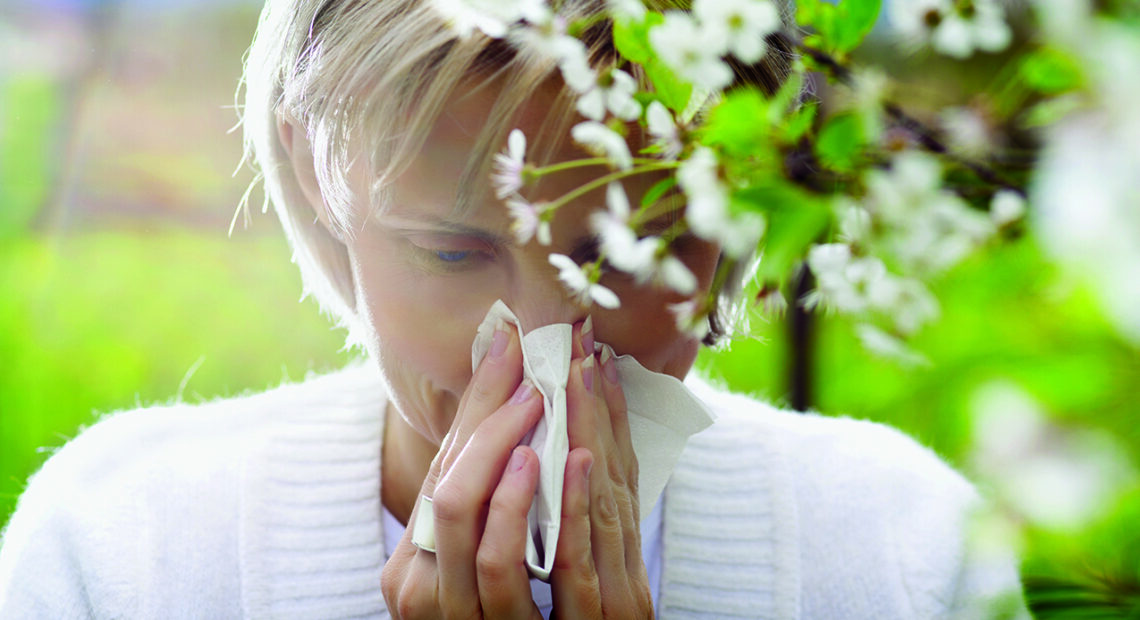
Rising temperatures and the reemergence of wildlife make spring a popular time of year. But the blooming flowers and blossoming trees of spring may not be a wonder to behold for seasonal allergy sufferers. Trees, flowers, and grasses are ripe with pollen this time of year, which can produce a bevy of symptoms for people with seasonal allergies.
The Asthma and Allergy Foundation of America says more than 106 million people in the United States have allergies and/or asthma. Coping with allergies often comes down to a multi-pronged approach that may involve medication and lifestyle changes.
The Mayo Clinic says that oral antihistamines (particularly non-drowsy, second-generation options), combined with nasal steroid sprays, can reduce inflammation and congestion and alleviate sneezing, itchy noses, and itchy eyes. Decongestants can offer temporary relief from nasal congestion, while saline nasal sprays and rinses can help clear pollen and mucus.
Individuals can modify their activities by avoiding the outdoors when allergens are very high. When coming in from outdoors, remove clothing and launder it right away to keep allergens from transferring to furniture and bedding. When pollen counts are high, windows and doors should remain shut, and HVAC systems should be run with a fresh filter to help mitigate any allergens already in the air. Allergy sufferers can also look into a HEPA room air filter to clear indoor air even more.
Should over-the-counter options and lifestyle changes prove ineffective, seek medical advice. This is especially true if allergies cause intense sinus pressure, difficulty breathing, or wheezing. Long-term or prescription treatments like immunotherapy could be the next step to find relief.



Recent Comments