



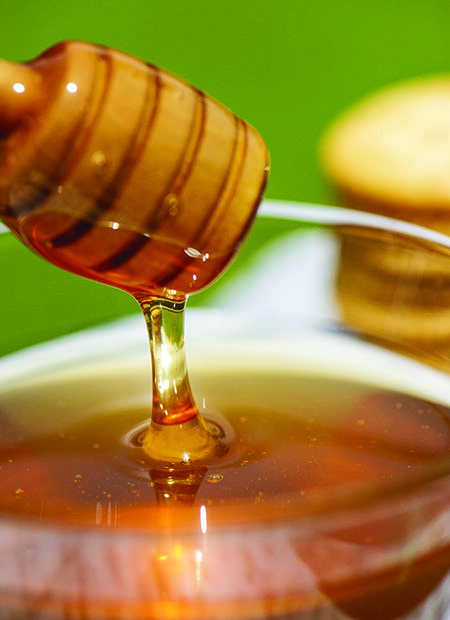
Spring and fall are peak times of the year for millions of people to experience seasonal allergies. Sneezing, watery eyes, and stuffy noses can make enjoying the outdoors particularly difficult for people with seasonal allergies, and many seek remedies to find relief. Raw, local honey is often presented as a means to alleviating allergies. Proponents say local honey acts like a natural vaccine when consumed. But does the science back up these claims? The logic behind using local honey to address allergies is related to the concept of immunotherapy.
Immunotherapy involves exposing a person to small amounts of an allergen over time so the body can get used to it, says the American College of Allergy, Asthma & Immunology. Since raw honey contains trace amounts of local plant pollen, the idea is that consuming small, consistent doses of this pollen can help desensitize the immune system, turning off its hyper-reactive response over time.
But some medical professionals say there is a flaw in this theory. That’s because seasonal allergies are primarily triggered by lightweight, windborne pollens from trees, grasses and weeds. Bees tend to gather pollen from bright, flowering plants, which rarely cause seasonal allergies. So it’s unlikely that local honey will contain the airborne allergens causing symptoms.
A well-known double-blind study conducted by researchers at the University of Connecticut compared local raw honey, commercial pasteurized honey and a honey-flavored placebo syrup. The researchers found no statistically significant difference in symptom reduction among the three groups.
But some studies point to the potential that local honey could be effective against allergies. According to a randomized, placebo-controlled trial on the East Coast of Peninsular Malaysia published in the Annals of Saudi Medicine, ingestion of a high daily dose of honey combined with an antihistamine resulted in continuous, significant improvement in allergic rhinitis. Another 2011 study published in The International Archives of Allergy and Immunology found that patients consuming birch pollen-enriched honey experienced a 60 percent lower total symptom score and 70 percent fewer days with severe symptoms compared to a control group.
Local honey may or may not help alleviate seasonal allergies. Those seeking relief from seasonal allergies are urged to consult an allergist for advice on alleviating their symptoms.


Recent Comments